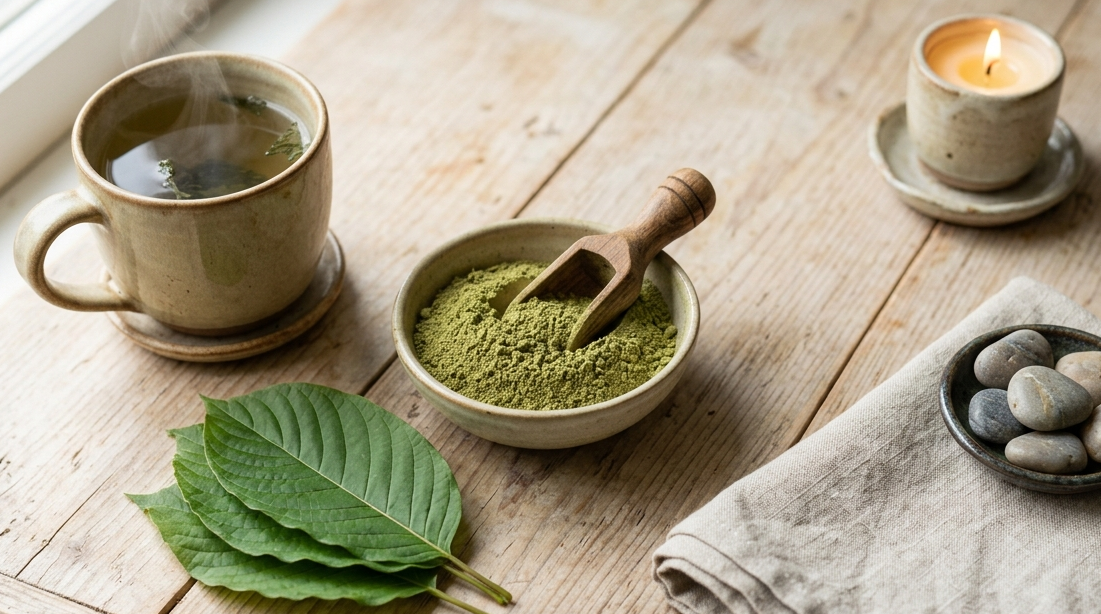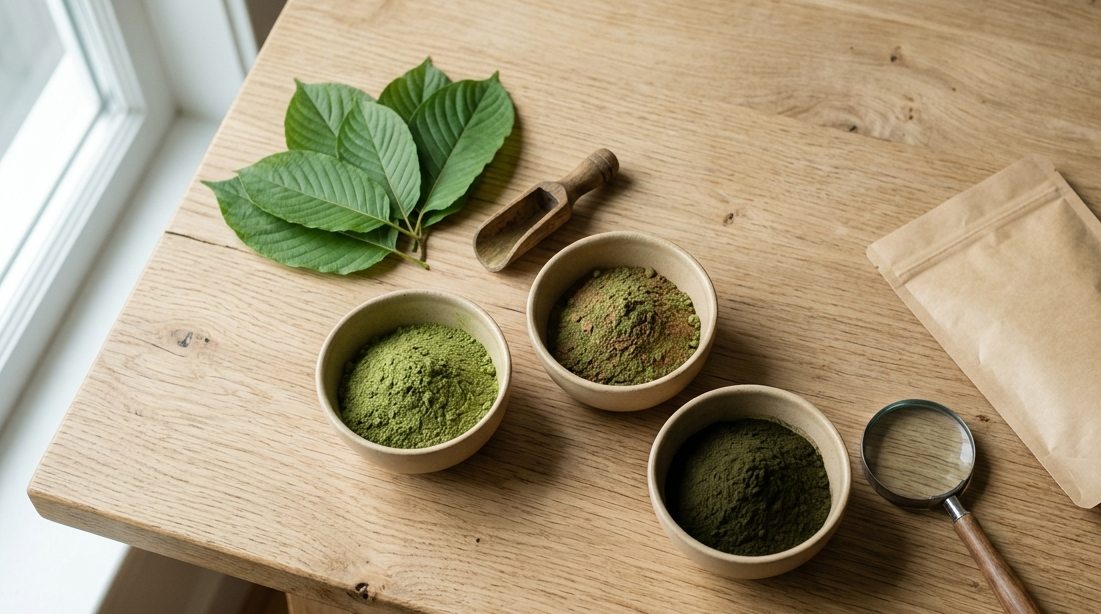

Kratom, a botanical derived from the leaves of a Southeast Asian tree, has long inspired debates about its properties, safety, and regulatory status. While millions use kratom annually in the United States, comprehensive clinical research has lagged behind its rising popularity.
Now, an ambitious FDA-funded study seeks to provide the most detailed scientific evaluation of kratom yet, setting the stage for data-driven decisions that could influence its future regulation and market landscape.
The FDA Kratom Study: Structure and Purpose
Initiated this summer, the FDA-funded clinical trial is the largest and most comprehensive research project on kratom to date. The project, with $5.5 million in federal backing, will look closely at kratom’s properties, specifically examining how it compares to both oxycodone, a well-known opioid, and a placebo.
Led by Christopher Verrico at Baylor College of Medicine, the study’s design enrolls at least 60 participants. These volunteers will cycle through several experimental conditions: placebo, oxycodone, and three different dosages of kratom (ranging from 8 to 16 grams).
Unlike previous studies that mostly relied on user anecdotes or short-term laboratory tests, this clinical trial uses a detailed rating system to capture participant experiences.
Subjects will evaluate how they feel, the perceived effects, and their enjoyment of each substance. This rigorous approach aims to yield concrete, actionable data that will inform both scientific understanding and regulatory action.
Goals and Measurement Strategies
According to Principal Investigator Christopher Verrico and co-investigator Dr. Ynhi Thomas, the core purpose of the study is to assess kratom’s effects and potential for addiction critically.
By collecting user experience data on a sliding scale, the researchers hope to gauge not only the subjective qualities of kratom but also its relative risk compared to prescription opioids.
The team’s scientific strategy is clear: to determine if kratom might be considered therapeutic under certain guidelines or if it warrants closer regulation, like oxycodone.
Data collection focuses on:
- How participants rate the sensations and effects of kratom, oxycodone, and placebo.
- Whether any substance stands out for enjoyment, potential risk, or abuse liability.
- Comparisons that go beyond anecdotal evidence, aiming for clear scientific conclusions.
Building on Past Kratom Research
This landmark trial is an evolution of earlier FDA-funded work that tested kratom leaf capsules against a placebo in 40 individuals. That initial experiment, conducted over two days, primarily monitored acute side effects.
Findings suggested that kratom leaf capsules did not present significant risks even at high doses. However, these results were limited in scope—focused only on short-term effects and not directly comparing kratom to other substances.
The new, expanded study adds critical layers of comparison: not only testing kratom at multiple dosages but also juxtaposing its profile with oxycodone and placebo in a structured, clinical setting. This marks a systematic move toward comprehensive evidence rather than sporadic testing or speculation.
The Current Regulatory Landscape
In the United States, kratom’s legal status varies by state, making regulatory decision-making challenging. Some states have passed consumer protection laws that balance access with safety, while others restrict or ban the product altogether. At the federal level, attempts to schedule kratom as a controlled substance have provoked significant public and scientific interest.
The 2016 DEA proposal to classify kratom as a Schedule I drug was reversed following widespread opposition—underscoring the importance of science-based evaluation.
According to Verrico, the outcomes of this FDA study could influence scheduling decisions: strong evidence about kratom’s abuse potential or safety could tip regulatory strategies in either direction.
Implications for the Kratom Industry and Consumer Community
For kratom producers, distributors, and users, the study carries important implications:
- Timeline for Change: Initial results are expected in about three years, suggesting no immediate regulatory shifts but laying the groundwork for future changes.
- Evidence-Based Policy: The significant federal investment highlights a preference for scientific evidence over anecdotal claims or political pressure.
- Focus on Product Quality and Safety: The broader research context and push for clear findings may lead to stricter standards around kratom sourcing, manufacturing, and labeling.
- Political Support: Despite budget scrutiny, study organizers confirm that funding and support for this research remain steady, signaling bipartisan interest in clarifying kratom’s standing.
Scientific Significance and Study Innovation
This research stands apart thanks to its comparative and methodical approach. By including known quantities like oxycodone and placebo alongside kratom, the trial can objectively evaluate the unique properties, potential risks, and distinguishing features of the botanical.
It also recognizes the complexity of kratom, which contains multiple plant alkaloids that may work together in ways distinct from single-ingredient pharmaceuticals.
By relying on participant-rated experiences, as well as clinical observation, the team aims to provide insights far superior to previous anecdotal or survey-based reports. Such findings may lead to more nuanced regulatory outcomes and better consumer information.
Industry Preparation and Future Outlook
As research progresses, kratom industry stakeholders are encouraged to prioritize best practices—rigorous lab testing, transparent sourcing, and accurate labeling.
The American Kratom Association and similar advocacy groups continue to push for regulatory frameworks that maintain access while upholding safety. This is exemplified by the Kratom Consumer Protection Act: a model law that seeks to regulate age restrictions and product standards.
Should this study support regulated access, brands that invest in quality control and safety will likely fare better in shifting markets. Clear, honest educational efforts are essential for building consumer trust and meeting the demands of future oversight.
The Broader Context of Botanical Research
The FDA’s landmark kratom study is part of a broader movement to assess botanical substances with modern scientific rigor. While traditional use and isolated lab findings have long influenced regulation, agencies now emphasize controlled human studies for evidence-based decision-making.
For kratom, this means recognition of its widespread use and the necessity to answer legitimate questions about its effects and risk profile. Testing kratom alongside oxycodone and placebo showcases a commitment to careful, comparative analysis rather than simplistic or potentially misleading generalizations.
Moving Forward: Evolution of Kratom Research
This FDA-funded clinical trial represents a pivotal step in developing a robust scientific foundation for kratom’s place in society.
By capturing detailed, comparative data on kratom’s effects and abuse liability, the study will provide stakeholders—from regulators to healthcare providers to informed consumers—with real insight rather than speculation.
As methodologies become more sophisticated, expect additional studies to probe specific applications and long-term use patterns. Whatever the final results, they are expected to offer the factual clarity needed to make informed decisions about kratom’s appropriate regulatory treatment—a significant advancement for a complex and historically misunderstood botanical.
Final Thoughts
The launch of a large-scale, FDA-funded study on kratom marks a turning point in how this Southeast Asian botanical is understood and regulated in the United States.
By capturing clinical data and comparing kratom with oxycodone and placebo, the researchers hope to answer key questions about safety, potential risks, and kratom’s unique properties. While immediate regulatory change is not expected, this evidence-based approach lays the groundwork for smart, informed decisions in the future.
For kratom users, businesses, and advocates, staying informed and focusing on quality and compliance are essential as the research and the regulatory landscape continue to evolve.
The coming years will likely bring more insight, deeper understanding, and, ideally, better outcomes for all kratom stakeholders.
More Resources
What Is Better For Sleep Red Or Gold Kratom?
Kratom vs Weed: Which One’s Better for Pain, Mood, and Relaxation?
Kratom and Oxycodone: Dangerous Combo or Potential Alternative?