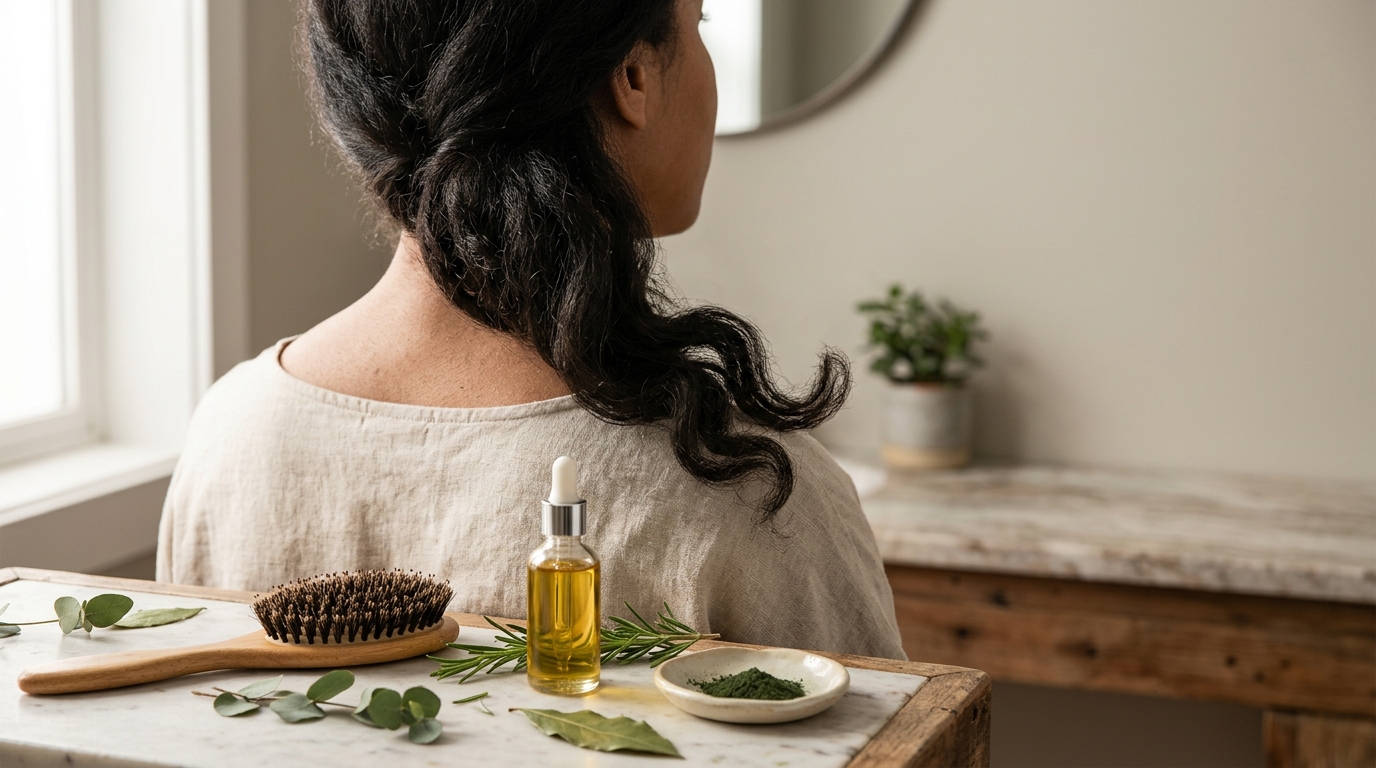
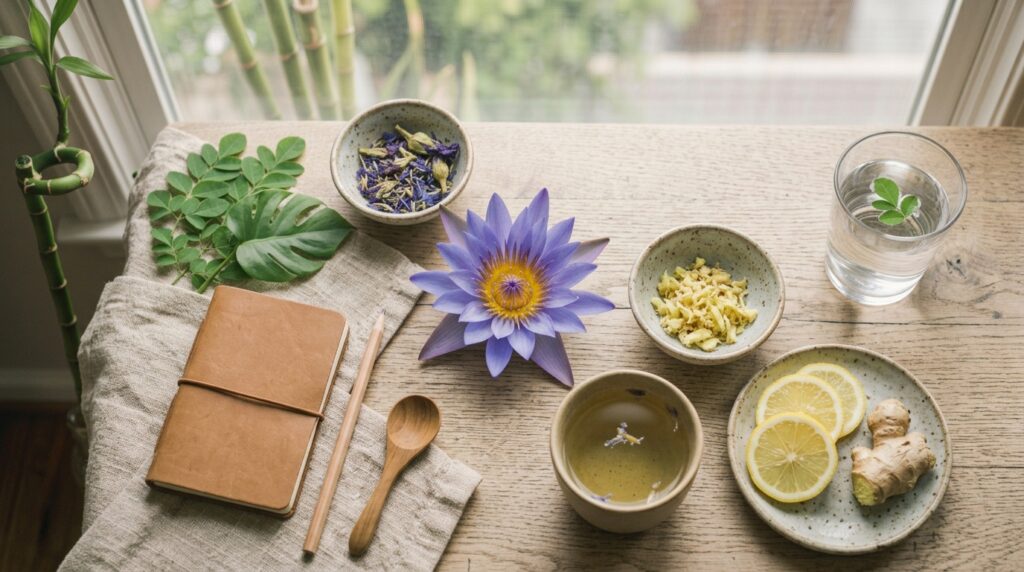
In our busy, modern world, many people want practical, holistic natural solutions for everyday aches and pains. Natural relief modalities, especially those based on medicinal plants and traditional remedies, provide a supplement to or alternative to prescription drugs.
They work with greater balance in the body, use fewer synthetic chemicals, and are usually more appealing to people seeking a more holistic approach to wellness.
In this blog, we’ll cover the most effective herbs, medicines, and remedies for natural relief, compared with prescription-based medicine, to help readers make an informed decision on their wellness journey.
What It Means to Find Natural Relief
The term natural relief refers to finding relief using herbs, plants, and other substances not made synthetically to address bodily discomfort in a moderate, holistic approach.
These natural alternatives are traditionally utilized by societies all over the world that have been doing so for centuries, and they are constantly evolving as the rest of modern healthcare is.
Natural relief can be used to address a range of problems, with or without the use of synthetic HC products. These solutions tend to incorporate herbs, food, topical applications, and lifestyle practices to restore balance and encourage the body to self-heal.
Natural Relief Herbs: The Foundation
Certain herbs have earned long-standing reputations as natural relief agents due to their active compounds and historical usage. Here are some notable natural relief herbs:
- Ginger: Known for its warming, soothing properties, ginger is commonly consumed as tea or a supplement for its supportive effects.
- Turmeric: Its golden compound curcumin is prized for its potential anti-inflammatory benefits, making it a popular herbal remedy.
- Peppermint: Used topically and internally, peppermint offers a refreshing, cooling sensation.
- Chamomile: A gentle herb widely used in teas to promote relaxation and comfort.
- Kratom: A Southeast Asian plant with a distinctive alkaloid profile, kratom is increasingly used as a natural herbal option for relief[BuyKratom].
- Lavender: Popular in aromatherapy and topical preparations for its calming aromas and soothing applications.
These herbs embody the essence of natural relief by harnessing botanical compounds known for their diverse, synergistic properties.
Natural Relief Medicines: More Than Just Herbs
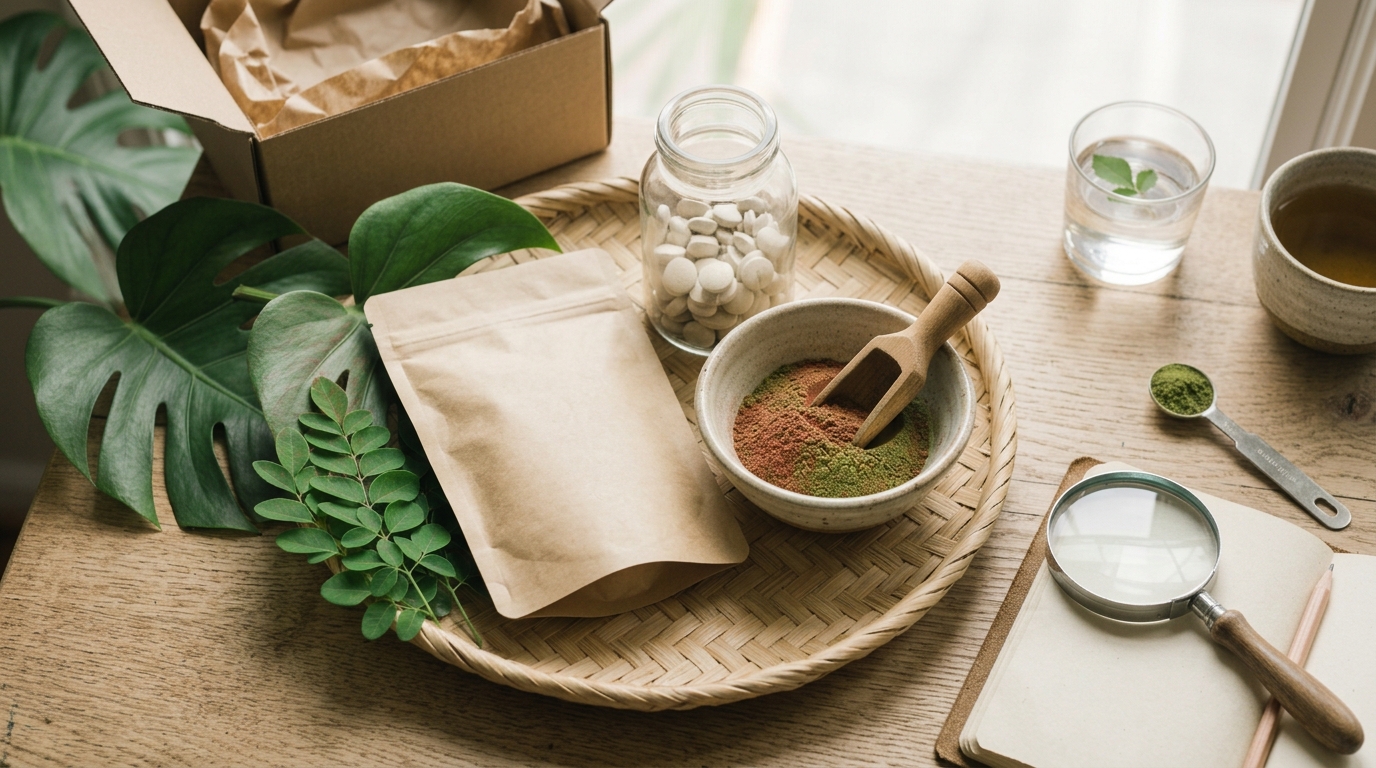
In addition to raw herbs, there are supplements, tinctures, oils, ointments, and essential oils made out of medicinal plants that are natural relief medicines. These products allow natural substances to be more available and convenient to use without losing any quality in the plant remedies.
Examples include:
- Curcumin Capsules: Concentrated turmeric extracts standardized for key components.
- Essential Oil Blends: Combinations of oils like eucalyptus, peppermint, and lavender designed for topical or aromatic use.
- Herbal Tinctures: Alcohol or glycerin-based extracts offering concentrated doses of herbs such as valerian or passionflower.
- Herbal Patches and Balms: Topical products delivering botanicals directly to the skin for localized relief.
These kinds of preparations will offer us convenient and easy means of inserting natural relief into our hectic lives without having to compromise on its effectiveness and the fun factor.
Best Natural Relief Remedies to Explore
In addition to herbs and medicines, various natural remedies provide soothing support:
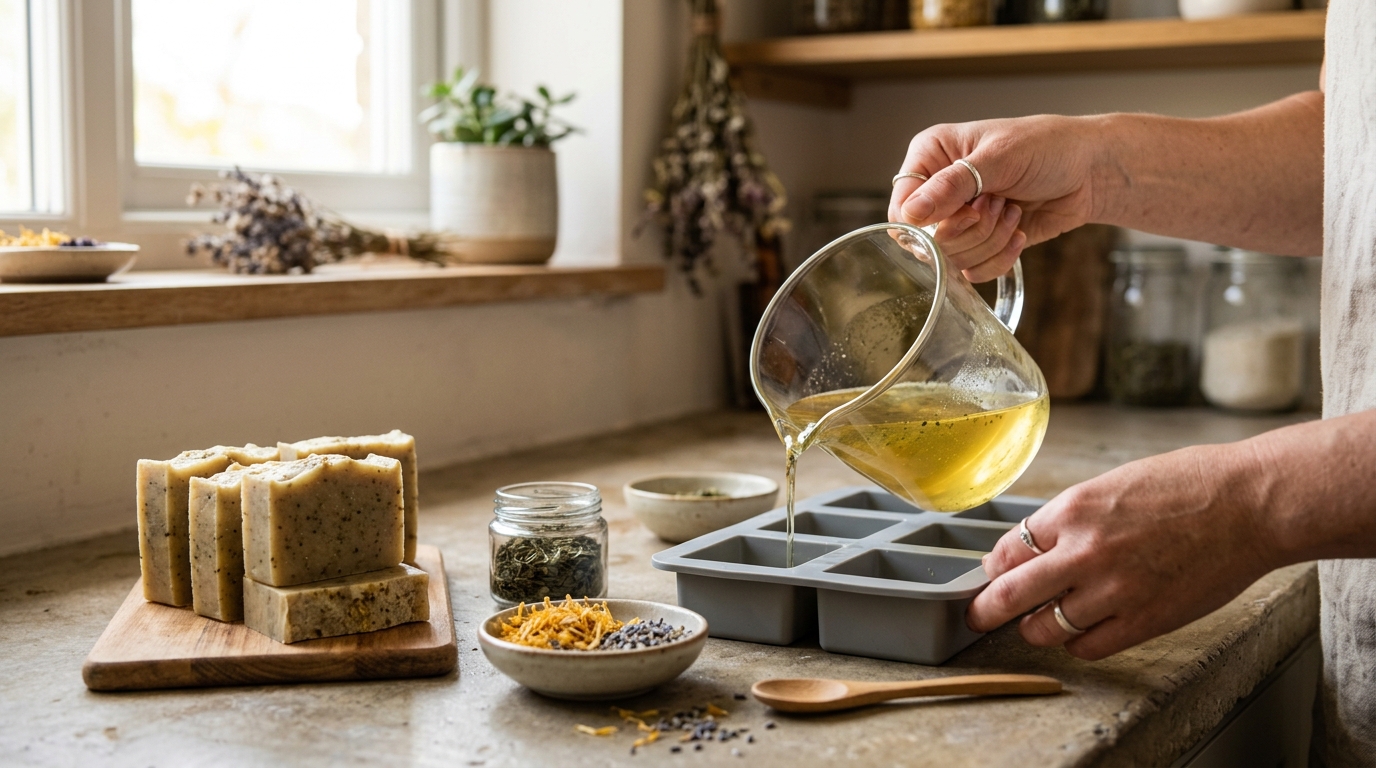
- Warm Baths with Epsom Salt and Herbs: This method combines mineral salts with herbal essences to encourage relaxation and comfort.
- Compresses: Warm or cold compresses infused with herbs like arnica or chamomile aid localized relief.
- Dietary Practices: Foods rich in antioxidants and anti-inflammatory compounds, such as berries and fatty fish, support systemic health.
- Mindful Practices: Yoga, meditation, and breathing techniques complement physical approaches to relief by promoting overall balance.
- Stay Hydrated: Water and herbal infusions help maintain natural bodily functions essential for comfort.
Combining remedies can enhance efficacy by addressing different facets of comfort through integrative methods.
Relief Through Natural Plants vs Prescription Drugs
Many turn to natural plants when seeking alternatives or complements to prescription drugs for relief. Understanding the distinctions and overlaps helps guide thoughtful health decisions:
1. Complexity vs Specificity:
There are thousands of compounds in natural plants, and their effects are cumulative, whereas prescription drugs may target only one pathway and only focus on one active ingredient.
2. Side Effect Profiles:
Synthetic drugs can be associated with more intense side effects; natural medicine is usually less harsh in terms of safety, but needs to be appropriately consumed.
3. Cultural and Emotional Connection:
Medicinal herbs with natural origins tend to hold tones of cultural significance and a philosophy of wholeness, which connects with users seeking harmonious coexistence between the mind and the body.
4. Accessibility and Affordability:
Most of the complementary medicines are less expensive or more available, particularly in cases where the care is long-term, although a high degree of quality control is imperative.
5. Scientific Evidence:
Drugs prescription goes through strict and long-term clinical tests compared to the traditional uses of natural plants and the emerging studies.
The usage of natural and synthetic approaches to the relief also depends on the individual case, the severity of his or her symptoms, and his or her preference. A combination of both approaches to integrative healthcare is gaining momentum.
Practical Tips to Find Natural Relief Successfully
Know Your Source: Buy high-quality herbs and natural products from reputable suppliers.
- Start Slow: Introduce one herb or remedy at a time to observe your body’s reaction.
- Consult Professionals: Especially if combining natural remedies with medications.
- Stay Consistent: Many natural remedies require time and regular use to notice effects.
- Practice Holistic Care: Complement botanical remedies with lifestyle habits such as exercise, stress management, and good sleep.
- Educate Yourself: Understand the traditional background and best practices for your chosen herbs or medicines.
Final Thoughts
The discovery of natural relief is an immersive and gratifying process that plays on the inherent affinity that all human beings have with plants.
Using natural remedies such as calming herbs like chamomile and turmeric, healing formulas such as tinctures and balms, or incorporating them along with prescription medication, natural relief provides a wide range of solutions individually tailored to need.
Through the use of quality products, adherence to time-tested wisdom, and a balanced lifestyle practice, each person can develop a personal approach to comfort and resiliency that fits their own needs.
More Resources
What Is Better For Sleep Red Or Gold Kratom?
Kratom vs Weed: Which One’s Better for Pain, Mood, and Relaxation?
Kratom and Oxycodone: Dangerous Combo or Potential Alternative?