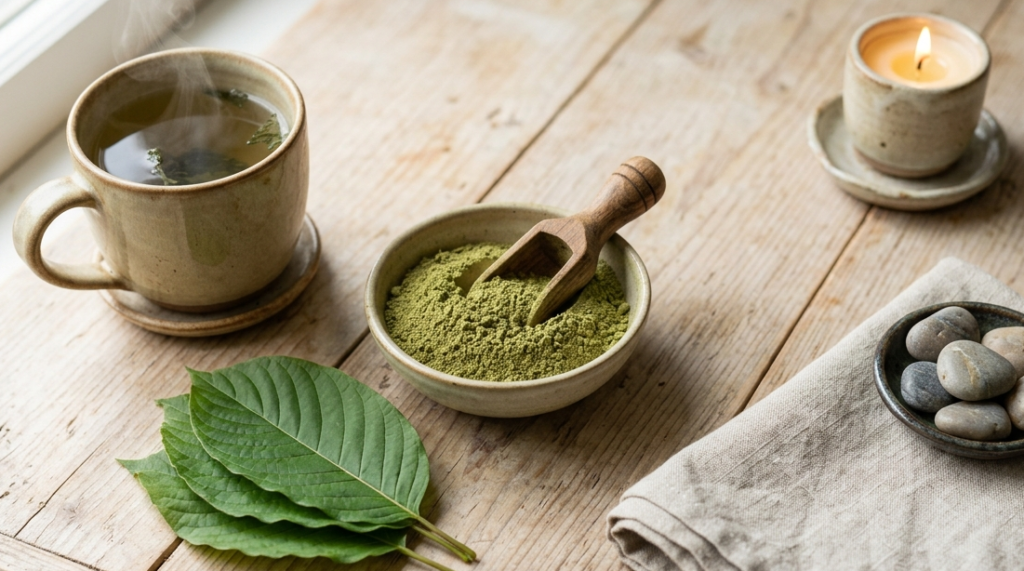
It is a widespread problem; anxiety disorders are suffered by millions of people all over the world, and lots of them want to find certain natural ways to cope with their symptoms. Some of these substitutes include kratom, which has been recognized as a calming and mood-boosting substance.
In this blog, we’ll cover what kratom may be utilized in the treatment of anxiety, the correlation to the treatment of depression, the most efficient kratom strains to treat anxiety, and the best pieces of advice to follow regarding safe and informed usage of kratom.
Using Kratom for Anxiety: What Does the Research Say?
Several surveys and studies indicate that kratom can assist some people in dealing with the specifics of anxiety.
To use an example, a giant study of people using kratom revealed that approximately 22 percent of the surveyed were using kratom as a means of mitigating the symptoms of anxiety, PTSD, or depression. When dealing with moderate doses of kratom, its users report its effects as calming and mood-lifting.
A 2018 systematic review had concluded in a small literature base that kratom already played a role as a harm reduction method, and that a large percentage of users find it to be mood-elevating and anxiety alleviating. The review, however, warned of withdrawal symptoms and clinical research on the same, which needed to be stiffer.
There is one case report of a man who took kratom regularly to help self-treat major depression and generalized anxiety disorder with some success. Still, later higher stress levels eliminated its effect. This highlights the fact that kratom should be used as an alleviating measure, but not as a treatment for mental health problems.
Kratom and Depression: Overlapping Uses
Anxiety users of kratom also report that they used it to alleviate depression. The alkaloids contained in kratom that have a mood-lifting property might offer temporary respite against symptoms of depression through the adjustment of brain chemicals linked to depression and stress.
Nonetheless, kratom is not a remedy or official medicine for depression. Naturally, it can make some users feel better or get more motivation, but it also has some side effects and risks, such as dependency and withdrawal.
The treatment of mental issues is complicated, and kratom is to be a complement to a wellness plan involving a more in-depth approach to your well-being with the help of a specialist.
Kratom Strains for Relieving Anxiety
Different strains of kratom are not equal, and certain strains might be more effective in the treatment of anxiety than others.
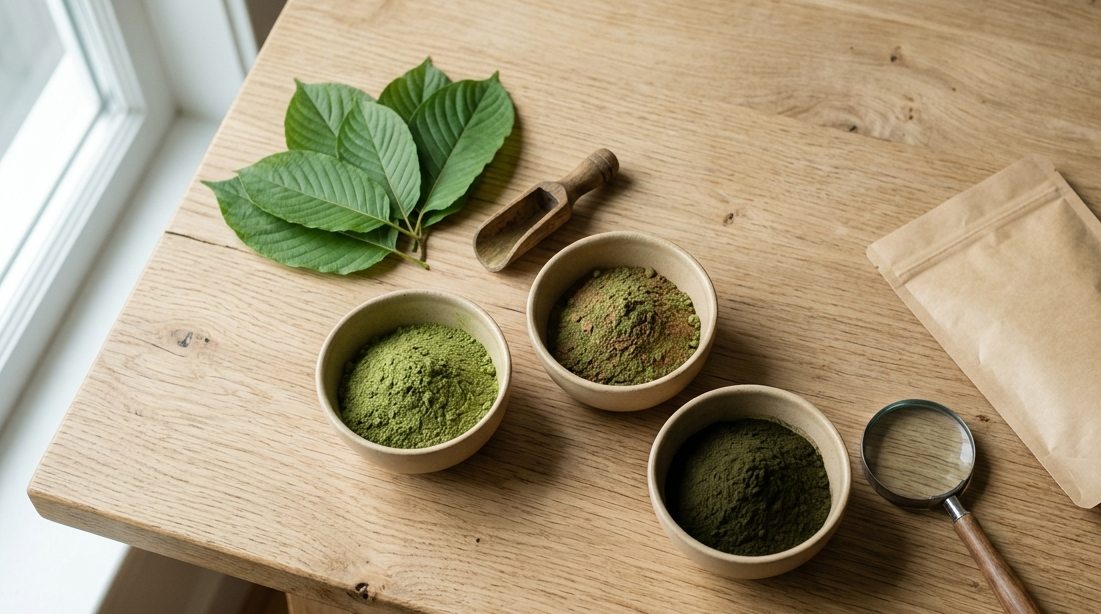
As a rule, kratom varieties are distinguished by the color of veins, which are red, green, and white, and are connected with various alkaloid compositions and effects.
1. Green Malay kratom
Green Malay Kratom is one of the most calming green-vein kratom strains available. It’s a common choice among people who take kratom socially while socializing with their pals.
It has been nicknamed a social lubricant strain due to its ability to make users feel peaceful and comfortable while also connecting and communicative due to its euphoric effects.
If you’re taking kratom to relieve anxiety throughout the day and want to avoid the sedative effects of heavier green or red vein kratom, this strain is a decent choice. It’s an excellent “social lubricant” and produces a sensation of calm and well-being. In higher dosages, it is euphoric.
2. Red Thai kratom
Red Thai Kratom, in general, is helpful for anxiety relief. They’re well-known for their ability to instill a carefree, relaxed mood in others. Many users describe the sensation of floating on a cloud. Your body feels light, and your worries seem to fade away.
The Red Vein Thai strain is especially effective for anxiety relief and has extra advantages for depression and other mood disorders. It becomes a powerful euphoriant at greater doses.
Green Vein Thai is another fantastic alternative if you want something with a little more stimulating activity. Red vein kratom is often considered to be the most effective for anxiety.
It gives a nice sense of tranquility and well-being – it’s as if you’re floating. Even the most worried people will benefit from this anti-anxiety strain. You could use it to treat insomnia too.
3. White maeng da Kratom
Due to its strength and long-lasting effects, Maeng Da is one of the most well-known kratom strains. Maeng da kratom comes in red, green, and white varieties, and all three offer euphoric and soothing effects that are fairly potent and useful for treating anxiety and depression.
The White Maeng Da variety has the herb’s anti-anxiety properties at their peak. It is more stimulating than the red variety, but not in the same manner that other white vein kratom strains can seem to cause anxiety. This strain is excellent for treating anxiety when it’s crucial to be awake and engaged.
A few examples include working, going to school, and giving speeches or presentations. The majority of kratom strains used to treat anxiety have sedative side effects that can make it difficult for you to remain attentive and focused when taking them.
It’s stimulating, but not in a way that would make them feel nervous. It’s also powerfully euphoric and relaxing, and encourages concentration and focus. Taking this strain is also said to alleviate drowsiness and fatigue.
Research on using kratom for anxiety
Unluckily, no controlled clinical studies have been conducted to investigate the association of kratom in the management of anxiety. Nevertheless, we have millions of excellent survey studies and in vivo or in vitro research to make us understand whether or not kratom can help treat anxiety disorders and how it can be useful.
In a study, the experience of kratom users on the hallucinogenic site Erowid was considered. The study stated that 30 percent of such reports indicated that the usage of kratom resulted in greater feelings of well-being.
The study showed that 24% of the users of kratom reported lowered levels of anxiety subjectively. The reports mentioned in this investigation that contained the word sedation were noted to be only 3.1%.
The other study, which was carried out using a survey, found that out of 8049 individuals surveyed, 2/3 of them participated in using kratom as a treatment against depression, anxiety, and PTSD ( post-traumatic stress disorder).
Also, the non-users of the kratom who did not use it specifically to cure their condition said that they felt less anxious after using it, with the percentage of study participants saying so standing at 74 per cent.
How to Use Kratom for Anxiety
Dosage Considerations
- Start Low: Begin with a low dose (1-2 grams) to gauge your body’s response.
- Moderate Doses: For anxiety relief, moderate doses (2-5 grams) are often effective.
- Avoid High Doses: High doses can cause sedation or adverse effects, potentially worsening anxiety.
Consumption Methods
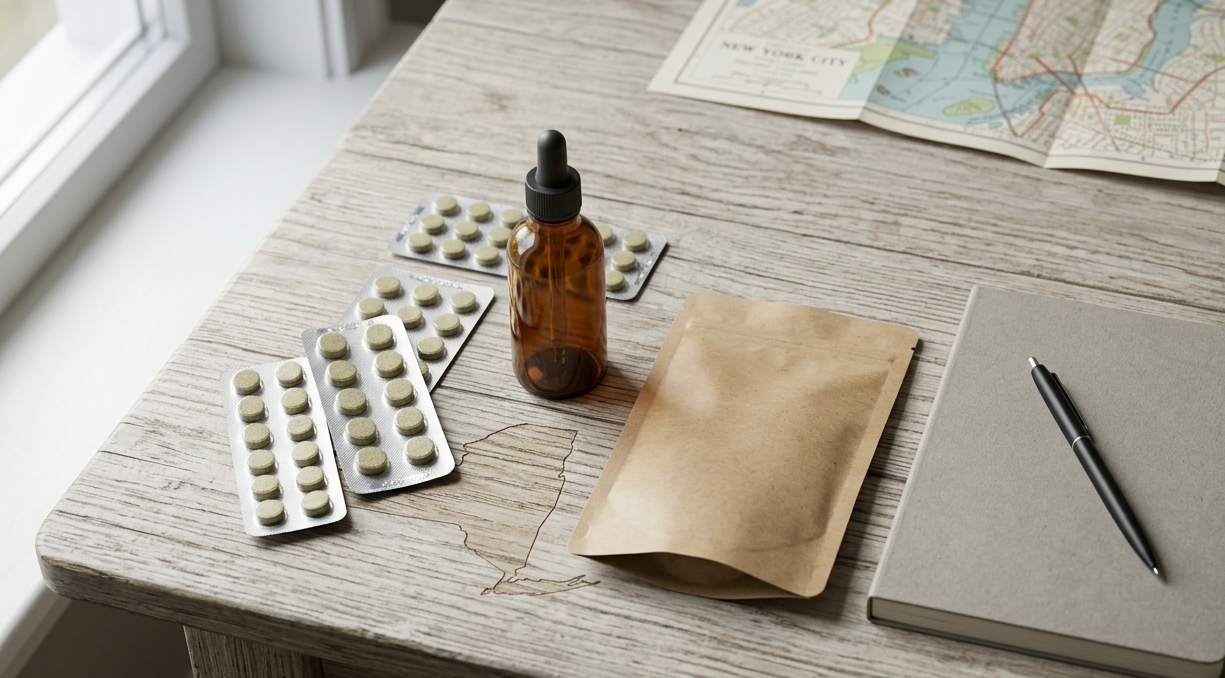
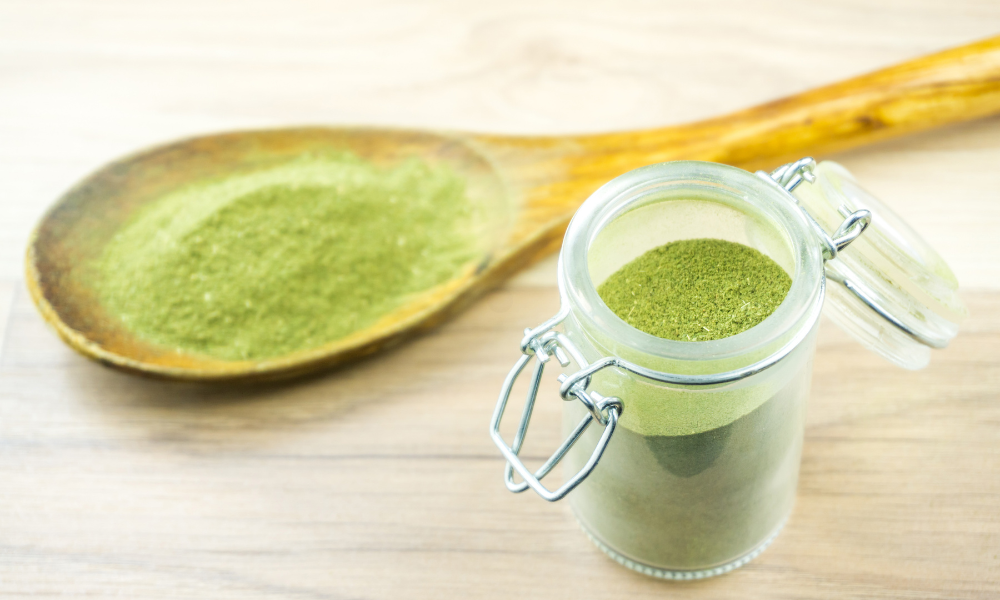
- Powder: Mix with water or juice; allows flexible dosing.
- Capsules: Convenient and tasteless, good for consistent dosing.
- Tinctures: Fast absorption, suitable for those seeking quick effects.
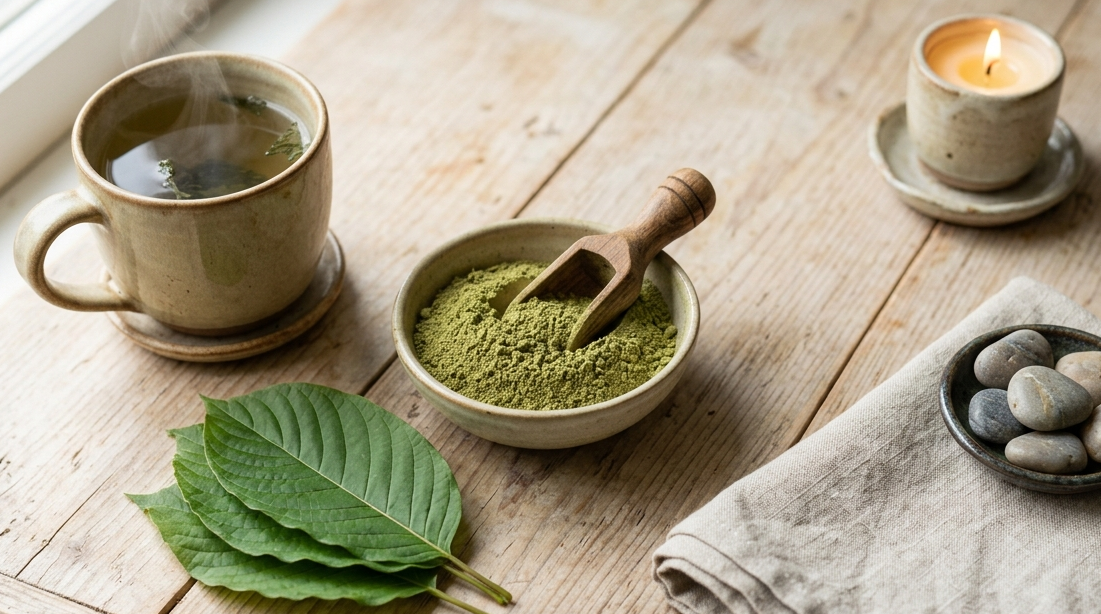
- Tea: Traditional preparation, mild and soothing.
Frequency
Consume kratom with caution and do not use it daily and in large quantities to limit the chances of developing tolerance and addiction. To achieve effective treatment of anxiety without increasing doses, some users are successful in an intermittent or as-needed dosing.
Can Kratom and Anxiety Medications Be Taken Together?
Combining kratom with prescription anxiety medications is not recommended without medical supervision. Kratom’s interaction with opioid receptors and potential sedative effects may amplify the effects of benzodiazepines or other anxiolytics, increasing risks such as respiratory depression or excessive sedation.
Always consult a healthcare provider before mixing kratom with any medications.
Potential Risks and Side Effects When Using Kratom for Anxiety
While many users report benefits, kratom is not without risks:
- Dependence and Withdrawal: Regular use can lead to tolerance and withdrawal symptoms.
- Side Effects: Nausea, dizziness, constipation, and sedation are common.
- Mental Health Risks: In some cases, kratom may worsen anxiety or cause mood swings.
- Lack of Regulation: Kratom products vary in quality and purity, posing safety concerns.
Alternatives and Complementary Approaches
If you’re considering kratom for anxiety, it’s important to also explore other evidence-based strategies:
- Therapy: Cognitive-behavioral therapy (CBT) and other counseling approaches.
- Lifestyle: Exercise, meditation, and sleep hygiene.
- Supplements: Some natural supplements like magnesium or CBD may support anxiety management.
- Medical Treatment: Prescription medications when appropriate.
Kratom may be one tool among many, but professional guidance is key.
Final Thoughts
Kratom has shown promise as a natural option for some people seeking relief from anxiety and depression symptoms. Its unique alkaloid profile offers mood-enhancing and calming effects that many users find helpful. However, the scientific evidence is still emerging, and kratom’s safety and efficacy remain under study.
If you’re considering kratom for anxiety, start with low doses, choose reputable products, and consult healthcare professionals to ensure safe use. Remember that kratom is not a cure and should complement, not replace, comprehensive mental health care.
More Resources
Working out with Kratom: Is it worth it?